Prostate surgery can change life in unexpected ways — and often, folks face those changes in silence. Incontinence. Sexual dysfunction. A loss of the activities and confidence once taken for granted.
But recovery is possible. And it can be more complete than you might think.
As a physiotherapist specializing in male pelvic health, I’ve helped men rebuild their lives after prostate surgery. Here’s what that can look like.
Meet Frank:
Frank came to see me six months after his prostate surgery. On paper, the operation had gone well. But Frank wasn’t doing well.
He was leaking urine. His sexual function had been significantly affected — something that was putting strain on his relationship with his partner. The activities he loved felt out of reach. And he was dealing with it all in silence — reluctant, like a lot of men, to let anyone in.
What struck me was how alone he felt. Even with his friends and family around, Frank chose to bear it privately.
We started working together, and slowly, things shifted. Six months later, Frank was managing his bladder, back to the activities he loved, and rebuilding intimacy with his partner — not the same life as before, but a good one. Frank was persistent, willing to do the work even when progress was slow — and eventually, he let the people who love him in. That mattered too.
Education
The first thing Frank and I worked on was understanding what was actually happening in his body. He’d been through the surgery, but nobody had fully explained what came next — why certain symptoms occur, and what role the pelvic floor plays in recovery. That knowledge changed things. It turned something frightening and abstract into something he could work with.
It made a difference for his partner too. Once they understood what Frank was dealing with, they stopped feeling helpless and started feeling like part of the solution.
This is where I start with everyone who comes to me after prostate surgery.
Pelvic Floor Muscle Training
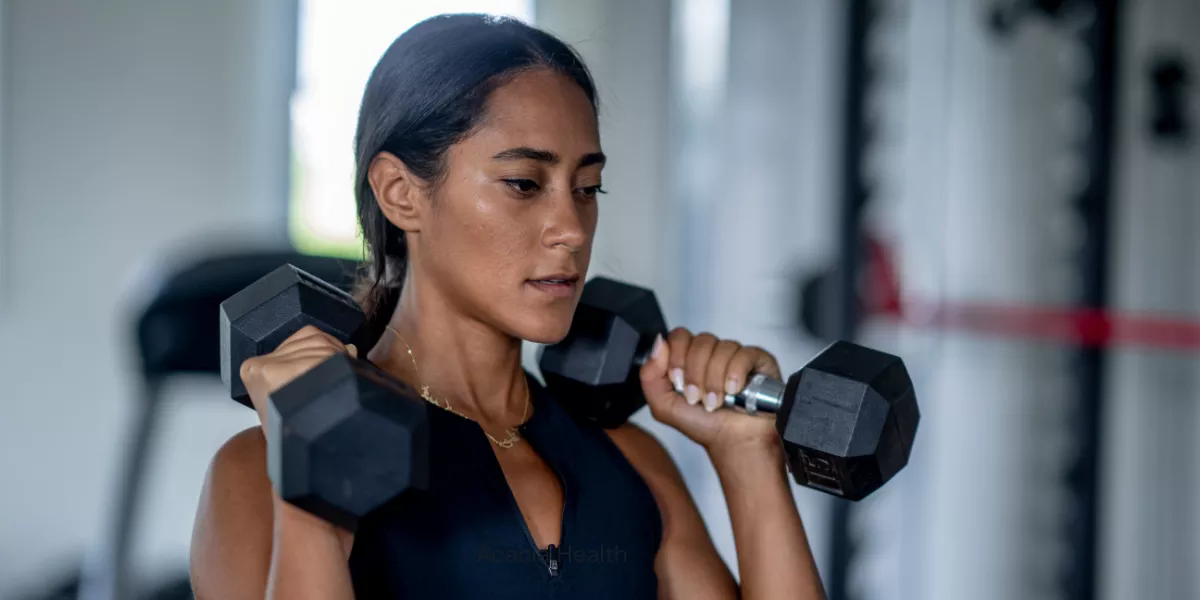
Frank had never given much thought to his pelvic floor. Most people haven’t. But it’s the engine room of bladder control and sexual function — and like any muscle group, it can be strengthened and retrained.
Together, Frank and I built an exercise program focused on coordination and control. With persistence over time, and support through setbacks, he was able to manage his incontinence and return to activities he’d set aside since the surgery. If you’d like to understand more about how the pelvic floor affects bladder control, this article on bladder health and male pelvic anatomy goes deeper.
This is some of the most important work we do, and the results are measurable.
Sexual Health
Like most people, Frank found this part the hardest to talk about.
Blood flow is central to sexual recovery after prostate surgery. We worked on techniques, tools and medications to support that — and connected him with a sexual health counsellor who could work with him and his partner together. There are more options available than most people realize, and tracking progress with the right outcome measures helps us know what’s working.
Frank and his partner found their way through this together.
Friends and Family
Frank was reluctant at first to let his loved ones in. A lot of people are. There’s shame involved, and a desire to protect the people you care about from worry.
But when Frank finally opened up, he found something he hadn’t expected — his family and friends wanted to help. They just hadn’t known how. That support became a meaningful part of his recovery.
You don’t have to do this alone. And in my experience, the people who don’t tend to do better.
A Collaborative Approach and Peer Support
Recovery from prostate surgery touches many areas of health, and no single practitioner can cover all of them. Frank’s care was coordinated across his physician, physiotherapist, and sexual health counsellor — each contributing their piece of the picture.
Frank joined a prostate cancer support group, something he hadn’t considered before. He was surprised by how much it helped — not just to hear from others who understood what he was going through, but to share his own experience and know it was useful to someone else.
There is a community of people who have been where you are. Finding them can make a real difference.
Progress
Frank followed his home exercise program consistently and within six months the changes were real. He was managing his bladder, back to the activities he loves, and his sexual function continued to improve. We tracked his progress throughout — adjusting the plan as needed, measuring what mattered.
He told me he felt like he was getting his life back. Not exactly the life he had before, but a good one all the same.
If any of this sounds familiar — whether you’re preparing for surgery or already in recovery — reach out. A conversation costs nothing, and knowing what’s possible can make all the difference.
You don’t have to figure this out alone. Taking the first step is the hardest part. Whether you’re ready to book an appointment or just have questions, I’m here to help you move toward greater confidence and quality of life.
Book an appointment for an initial assessment or schedule a free 15-minute phone Q&A with me directly. You can also learn more about pelvic health support at Acacia.
Melchor Untal, BScPT, PTRP, RPT
Registered Physiotherapist
Special interest in Male Pelvic Health*
* A note on language
The term “Male Pelvic Health” refers to anatomy that typically includes a prostate, testes, and penis. This anatomy can be present in people of any gender identity. At Acacia Health, we welcome everyone — if you are unsure whether this service is right for you, please reach out for a free 15-minute phone consultation. We are happy to help you figure out the best path forward.