
Chiropractic Care in Victoria
Bodies are resilient, but sometimes they need help.
Chiropractors provide drug-free, non-invasive, hands-on care. They can help you find relief fast.
Easily located next to downtown Victoria, without having to be downtown.
Book Now
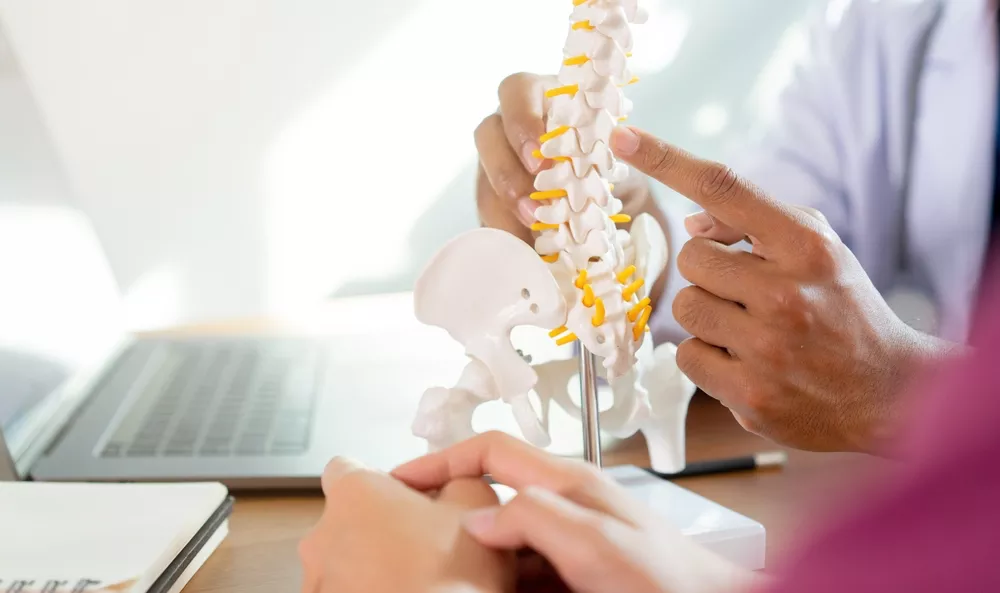
Overview
Getting you moving better
A chiropractor reintroduces movement to your spine to help you have more pain-free function.
Chiropractic therapy can support you if you:
- Have soreness in your back or neck
- Are feeling achy, tired or weak
- Are experiencing spasming or sharp, stabbing pain
- Have pain or numbness that travels from your legs to feet or your arms to hands
At our Vic West clinic, we provide chiropractic care to patients across Victoria and the Esquimalt areas.
Our Approach
We consider each client’s individual concerns and experiences and work to tailor treatments to your particular needs and therapeutic goals.


Learn More
Chiropractors have expert training in spinal and musculoskeletal health. Care focuses on restoring movement to stiff or painful joints, easing the muscle tension around them, and pairing that hands-on work with exercise and advice so improvements last. Every treatment is adapted to you, and nothing is done without your consent.
For the full picture of how it works and what the evidence shows, read What does chiropractic REALLY do?
Back and neck pain
Low back and neck pain are two of the most common reasons people see a chiropractor. Care combines hands-on treatment to restore movement with simple exercises you can do between visits, with the goal of easing pain and getting you back to normal activity. For most people it’s a short course of care, not an open-ended commitment.
Headaches
Many headaches — especially tension-type and those referred from the neck — respond to care aimed at the joints and muscles of the neck and upper back. Learn more in Understanding headaches.
TMJ and jaw pain
Jaw pain, clicking, and limited jaw movement (TMJ dysfunction) often involve the muscles and joints of the jaw, neck, and upper back working together. Chiropractic care can address the tension and movement restrictions that contribute to it. More in TMJ pain explained.
Chiropractic can also help with:
- Sciatica and nerve pain
- Disc herniation
- Arthritis-related stiffness
- Whiplash and ICBC motor vehicle injuries
- Sports and work-related injuries
- Pregnancy-related pain and discomfort
- Chronic pain
- Reduced pain and muscle soreness
- Improved mobility and posture
- Better sleep and energy
- Support for injury prevention
Initial chiropractic appointment:
About 30 minutes
At your first appointment your chiropractor will:
- Listen to your concerns and health history
- Do an in-depth assessment of your injury or pain
- Consider your body as a whole to determine the nature and cause of your pain or injury
- Discuss their findings with you and answer your questions
- Propose a treatment plan
Follow-up appointment:
About 10 minutes
Your chiropractor will discuss your progress and goals, answer your questions and provide treatment. They will follow up on your home care program, make suggestions and share tools to help with your treatment.
Our Practitioners
We take an empathetic approach to your care and always provide the most up-to-date information and resources. We want to help you on your journey to recovery.
Not sure where to start? Call 250-475-1522, ext 1. and our patient care coordinators will help.



FAQ
Still have more questions? Check out the tabs below. If your questions are still unanswered, please reach out, we love to help get to the root of things.
Yes — back and neck pain are among the most common reasons people seek chiropractic care.
Treatment restores movement to the affected joints and eases the surrounding muscle tension, paired with exercises to support recovery. Most people improve over a short course of care rather than needing ongoing treatment.
Tension-type and neck-related (cervicogenic) headaches often respond well to chiropractic care focused on the neck and upper back.
Migraine is more complex and the evidence is more limited, but some people find neck-focused treatment eases the associated tension. More in Understanding headaches.
Often, yes.
Sciatica — pain that travels from the low back into the leg — is a common presentation. Care aims to reduce nerve irritation and restore movement, alongside exercises to support recovery, though the right approach depends on the cause.
No. Care generally falls into two paths: acute care to resolve a specific problem, after which you stop; and optional maintenance care, where some people choose periodic check-ins.
Which fits your lifestyle needs is your choice, you can discuss with your chiropractor. More in How often to see a chiropractor.
There are many options. For patients who prefer not to be adjusted, a lot of chiropractors will use soft tissue techniques like massage and stretching, or active rehab and movement modifications.
Your chiropractor has many approaches to care that can fit into a variety of preferences, including Clinical Pilates. It’s not uncommon for a patient to only want soft-tissue treatment and active rehab. Dr Rose works with you to find the treatment approach that best suits your needs and your comforts.
Serious complications are rare. The most common effects are mild, short-lived soreness or tiredness afterward, similar to how you might feel after exercise. Your chiropractor reviews your health history first and adapts care accordingly.